
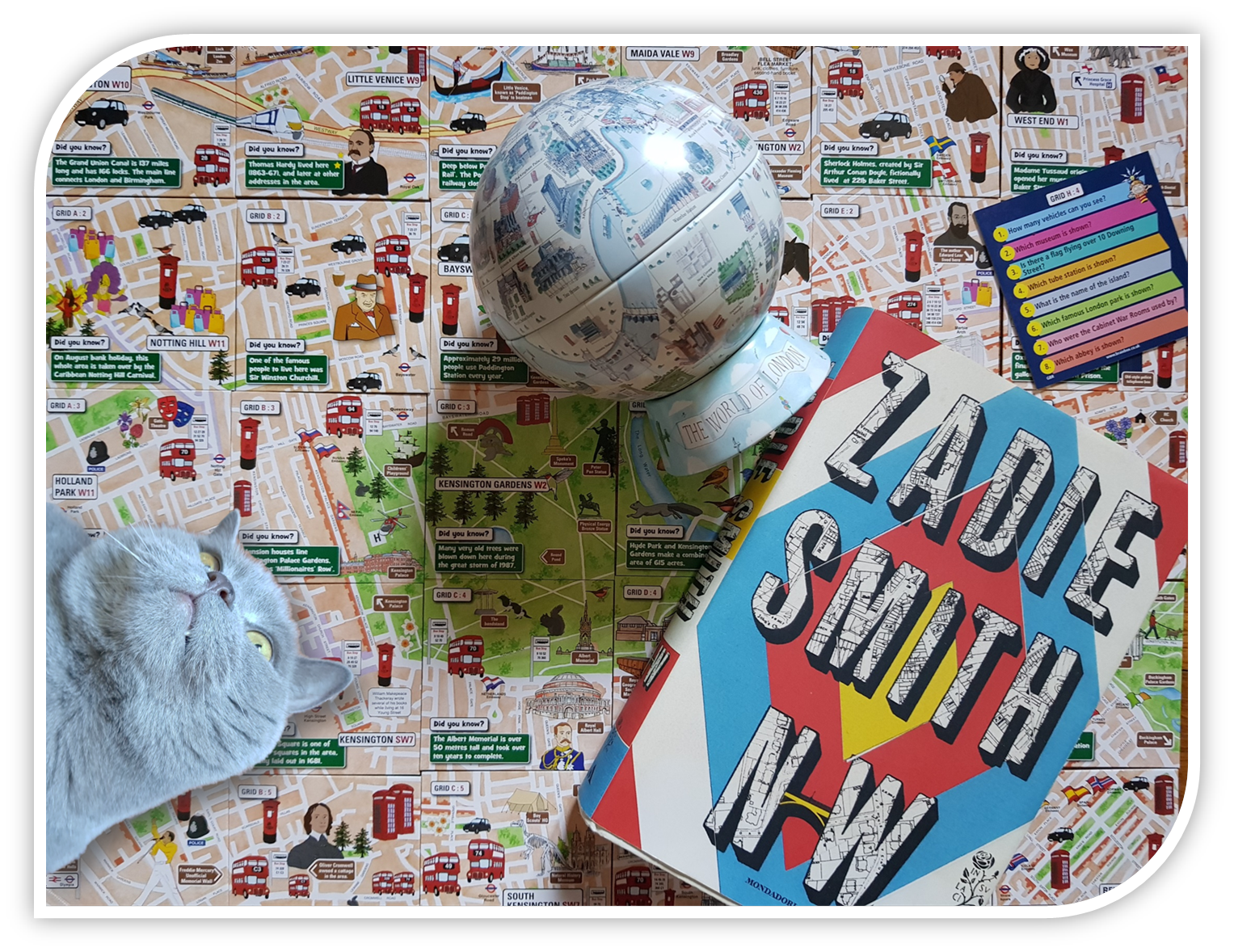
Devo ammettere che ho letto questo libro lo scorso anno, durante le vacanze estive. Casualmente mi sono ritrovata a leggere NW insieme a Gita al faro (Virginia Woolf), e questo perchè eravamo in vacanza proprio in un faro.
Piccola digressione: da sempre subisco il fascino di questi stupendi edifici e credo che tutto sia cominciato da piccola con la visione di Elliot il drago invisibile (versione del 1977 della Disney, non quello recente). Mi sono rimasti impressi il faro e la figura del guardiano. Da allora ho sempre apprezzato le foto di fari, così intense, suggestive, pittoresche (usando un termine del romanticismo). A questa predisposizione si è aggiunta, molti anni dopo, la lettura di un libro di Bella Bathurst sui fari di Scozia e della famiglia che li ha realizzati. Da lì è nato in me il desiderio di vederli da vicino e di visitarli. Ho programmato una vacanza in Scozia inserendo, naturalmente, una notte in un faro trasformato in hotel (il bellissimo Corsewall Lighthouse). Meraviglioso! Non si può raccontare l’emozione di dormire e svegliarsi di fronte all’oceano.
Fatto sta che qualche anno dopo, forse in preda alla nostalgia, mio marito mi ha proposto un’altra vacanza in un faro, questa volta in Italia. Ed ecco come mi sono ritrovata al Faro di Punta Fenaio sull’Isola del Giglio, immersa nella natura, a leggere NW di Zadie Smith.
Prima di partire mi era venuta una delle mie idee balzane: perchè non portare con me Gita al faro della Woolf e leggerlo nell’ambientazione giusta? Mi è accaduto altre volte di abbinare una vacanza ad un libro: ad esempio a Firenze l’anno in cui presi con me Camera con vista di Forster, oppure quando a Venezia ripercorsi le tappe di L’angelo della Signora Garnet della Vickers. Esperienze uniche!
Così, tornando al nostro libro, mi sono ritrovata un testo della Woolf tra le mani mentre leggevo anche Zadie Smith. E mi sono resa effettivamente conto di quanto lo stile fosse simile nonostante il divario tra le due scrittrici. Come accennavo all’inizio, quello della Smith è un flusso di coscienza serrato ma ancora narrativo (a differenza del flusso serratissimo di Joyce). Superate le prime pagine di ‘assestamento’ nelle quali il lettore deve capire la situazione dentro la quale è stato catapultato ecco che si ritrova nella testa di Leah Hanwell, una donna di origini irlandesi in un sobborgo di Londra.
Il romanzo è diviso in cinque sezioni, ciascuna scritta con uno stile caratteristico: VISITATION, nella quale prevale il flusso di pensieri; GUEST in cui prevale la narrazione in terza persona; HOST che è composto da frammenti narrativi; CROSSING e VISITATION, nuovamente in terza persona, che danno una chiusura circolare al romanzo. Ogni sezione è incentrata su un personaggio diverso: le vite di questi personaggi, tutti in qualche modo appartenenti alla zona nord-occidentale di Londra, si intrecciano attorno ad un evento tragico che ci viene svelato fin dall’inizio, trasmettendo così al lettore un’atmosfera di sventura alle vicende raccontate. L’incomprensione sembra essere ciò che i vari personaggi hanno in comune: c’è tra Leah, la protagonista, e Michel, il suo compagno; tra lei e la sua ‘migliore amica’ Keisha (che però si fa chiamare Natalie); tra quest’ultima e la sua famiglia di origine e alla fine anche tra lei ed il marito... è come se ci fosse una costante frizione tra i personaggi e Zadie Smith è brava a scavare nell’animo umano, tirando fuori anche ciò che spesso non si dice e che sembra brutale… come talvolta la persona che ti irrita di più sia proprio la tua migliore amica.
Uno dei temi costanti di Zadie Smith è la multiculturalità, ma qui non è positiva: paradossalmente proprio dove essa è maggiormente presente se ne vedono le contraddizioni insite nella convivenza di etnie diverse. Il cosiddetto ‘culture cluster’ è evidente: sembra quasi una tacita guerra tra etnie, ciascuna delle quali considera le altre in qualche modo inferiori.
Ma la Smith non si limita a raccontarci una storia: come accennato all’inizio, lei gioca con i generi (e lo sa fare anche bene) e con le parole. Ad un certo punto il flusso di coscienza si modernizza e diventa flusso digitale, con la sequenza di SMS scambiati tra i personaggi, senza filtri, senza punteggiatura.
Sicuramente la sfida più intrigante che il libro pone al lettore è quella del mistero del numero 37: all’inizio non ci si fa proprio caso, se non si è un lettore molto attento, poi all’improvviso si è colti da un dubbio e si torna indietro a ricontrollare le pagine già lette. E’ a quel punto che ci si rende conto che nella numerazione dei capitoli qualcosa non torna: si comincia già dal capitolo 11, che è stranamente seguito da un capitolo 37 e poi da un capitolo 12, come se niente fosse (...e sarei proprio curiosa di sapere quanti se ne sono accorti subito!). In quel capitolo, brevissimo, c’è una sorta di apologia del numero 37 che “è un numero magico dal quale siamo attratti” e si fa riferimento ad un numero civico, a cui corrisponde un preciso edificio, una casa occupata. Poi il fenomeno si ripete dopo il capitolo 15, questa volta senza ulteriori riferimenti, e di nuovo dopo il 17. Qual è il ruolo e il significato dei capitoli 37 nella prima parte? Al lettore l’ardua sentenza.
La seconda parte, invece, è caratterizzata da codici postali e indirizzi e si ha l’impressione che siano in qualche modo le tappe di una visita (essendo il titolo della seconda parte GUEST, ovvero il riferimento ad una persona che fa visita a qualcuno).

La quarta parte, PASSAGGIO, ha come titoli di capitolo dei brevi tragitti (ad esempio: Da Willesden Lane a Kilburn High Road), che segnano le tappe di una fuga: la fuga di Nathan e Natalie, che rappresenta apparentemente l’emancipazione dalle proprie origini ed il passaggio ad una classe sociale superiore… che invece si rivela un fallimento. I tentativi di sopprimere la sua natura, di rinnegare le sue origini ha avuto come conseguenza la cancellazione dell’identità, un vuoto interiore che è sempre più evidente mano a mano che si prosegue con la lettura e che sfocia, appunto, in un ritorno ed una fuga insensata tra i sobborghi.

I must admit that I read this book last year, during our summer holidays. At the time I accidentally found myself reading NW together with To the Lighthouse (Virginia Woolf)... that was because we were on holiday in a lighthouse.
A small digression: I have always been fascinated by those magnificent buildings and I believe the fascination started when I was a child after watching Pete’s Dragon (Disney version, 1977). The lighthouse and the lighthouse keeper remained imprinted on my mind. Since then, I’ve always appreciated the pictures of lighthouses, so inspiring, so suggestive and picturesque -using a Romantic term. Many years later, a book by Bella Bathurst on the lighthouses of Scotland and the family that had built them added interest to my predisposition. That book brought about my desire to see them up close. So it was that I planned a holiday in Scotland with a night in a lighthouse turned into a hotel (the beautiful Corsewall Lighthouse). Wonderful! I can’t describe how exciting it was to sleep and wake up in front of the ocean. A few years later my husband -maybe prey to nostalgia- proposed another holiday in a lighthouse, this time in Italy. And there, at Punta Fenaio lighthouse on Giglio Island, surrounded by nature, I read NW by Zadie Smith. Before leaving I had a brilliant thought: why not bringing Virginia Woolf’s To the Lighthouse with me and read it in the appropriate setting? I had already matched a holiday to a book before: I had read A Room with a View in Florence and Sally Vickers’s Mrs Garnet’s Angel in Venice, retracing the steps of the protagonist. Unique experiences!
So, I had Woolf’s book with me while I was reading Zadie Smith. That’s how I realized the great similarities between the two writers as regards the style. Mrs Smith’s flux of consciousness has a tight -but still narrative- rhythm (different from Joyce’s very very tight flux). After the first pages where the reader tries to understand the situation he/she has been thrown into there he/she is… in Leah Hanwell’s head, an Irish woman living in the suburbs of London.
The novel is divided into 5 sections, each written with a peculiar style: VISITATION, where the stream of consciousness prevails; GUEST where a third-person narration prevails; HOST, which is made up of narrative fragments; CROSSING and VISITATION, again in third-person, which give a circular close to the novel. Each section focuses on a different character: the lives of these characters, all belonging to the North-West part of London, intertwine around a tragic event we discover from the beginning. This fact gives the whole book an atmosphere of pending doom.
What the different characters have in common is probably misunderstandings: between Leah, the protagonist, and Michel, her fiancé; between her and her ‘best friend’ Keisha (who prefers the name Natalie); between the latter and her original family and, at the end, between her and her husband... you perceive constant frictions between the characters and Zadie Smith is really good at digging in the human soul, and what emerges is often unsaid and seems rude… like the fact that sometimes the person that annoys you the most is your best friend.
One of Zadie Smith’s themes is multiculturality, which isn’t positive here: paradoxically, right where it is most present you can see the contradictions in the coexistence of different ethnic groups. In NW the culture cluster is clear: it sometimes gives the reader the impression of a war in which every ethnic group considers the others inferior.
But Mrs Smith doesn’t just tell us a story, she also plays with genres and words. At some point we are given a modernization of the stream of consciousness with a digital twist: the sequence of text messages, unfiltered, unedited.
The most challenging element in the book is the mystery of number 37: at the beginning you don’t notice it, unless you are a very attentive reader, then you are suddenly struck by doubt and you go back and check the pages you have already read. That is the moment you realize that the chapter numbering doesn’t add up: it all begins with chapter 11, which is followed by a chapter 37 and then a chapter 12, as if nothing happened (I’m really curious to know who realized this thing at the first reading)! In that very short chapter there’s some sort of apology of number 37 which is “a magic number toward which we are attracted” and there are references to a house number, that of a particular building, a squat. It happens again after chapter 15, this time without any references, and then after chapter 17. What is the role of the different chapters 37 in the first part? To the readers the arduous judgement.
The second part is characterized by postcodes and addresses and you get the impression that they are the stages of a visit (being GUEST the title of section 2).
The third part focuses on another key character, Keisha/Natalie, Leah’s best friend and is divided in very short numbered fragments, like some sort of list. Here you can find number 37 again and this time the reference is to a bus and its route… and this time the number 37 is skipped.
In the fourth part, CROSSING, the titles of chapters are stages (for example: from Willesden Lane to Kilburn High Road), namely of an escape: that’s Nathan and Natalie’s escape. Natalie represents the emancipation from one’s origins and the move to a higher social class but it is actually a failure. Her attempts to suppress her own nature and hide her background result in the obliteration of her identity, an inner void which grows more and more as you read and that ends in the return and the inane escape to the suburbs.


